
What Is a Holistic Health Centre, and How Does It Work?
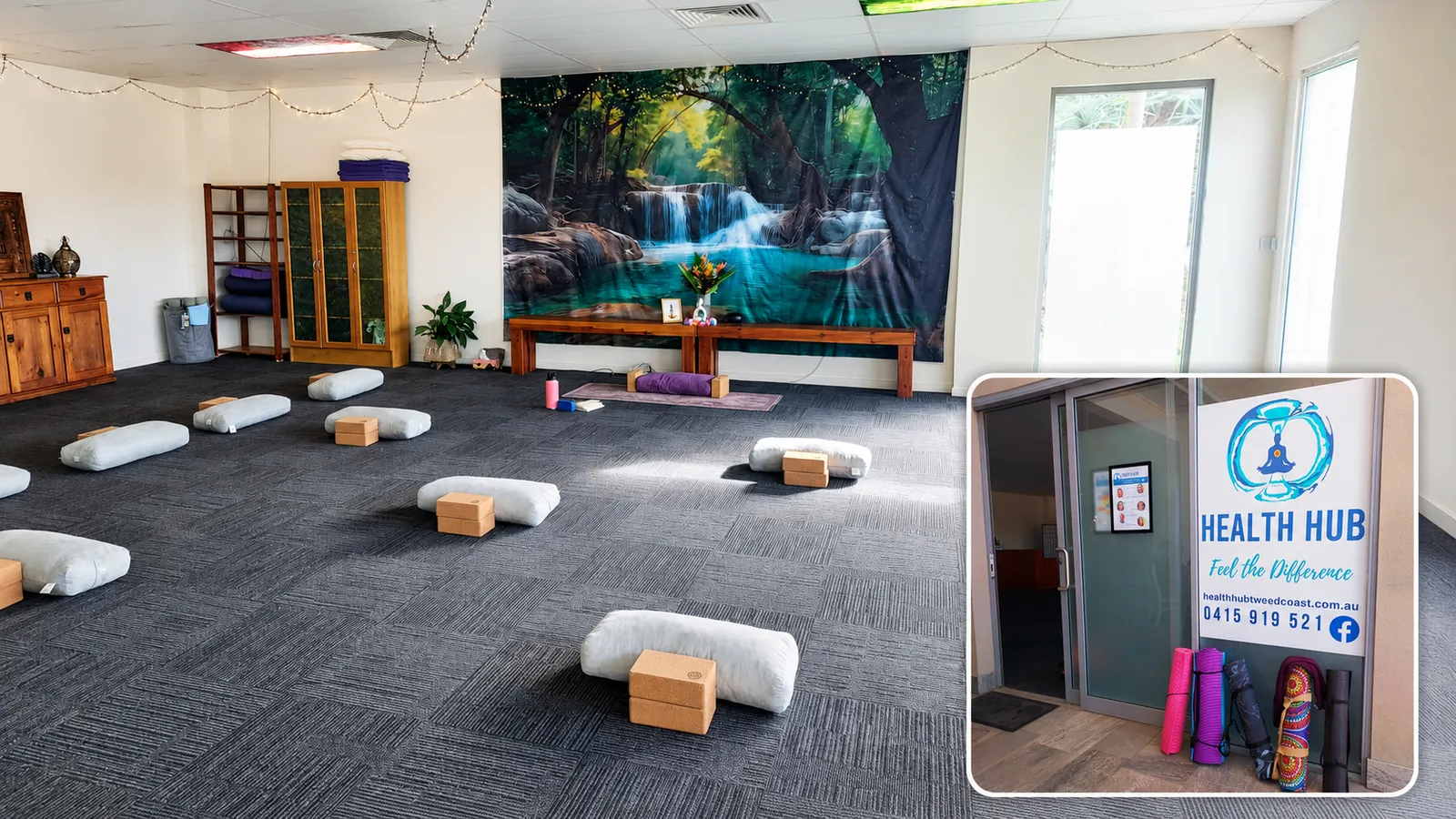
A holistic health centre isn’t one thing — it’s several practitioners working from one address so you can approach your health from more than one angle. Here’s how that actually works.
Search “holistic health centre” and you’ll get a dozen slightly different definitions. Here’s a straightforward one: it’s a place where practitioners from different health and wellbeing disciplines work in the same location, so you can approach your health from more than one angle instead of piecing it together yourself.
At Health Hub Tweed Coast, that looks like acupuncture and Traditional Chinese Medicine, naturopathy, yoga, Pilates, embodied movement, functional fitness and sound healing, all based at the one address in Hastings Point.
How this is different from a single clinic
A single clinic — a GP practice, a physio — is built around one profession, seeing one type of problem through one lens. A holistic health centre is built the opposite way: it starts from the idea that health is rarely just physical, or just mental, or just one joint or one symptom, and puts a range of practitioners in one place so you’re not limited to a single viewpoint.
Practically, each practitioner still runs their own consultations, holds their own qualifications, and sets their own approach — but you have the option to combine them. Someone managing ongoing pain, for example, might see an acupuncturist for treatment and a movement teacher for mobility work, without needing to travel across town between appointments.
Who’s actually part of Health Hub
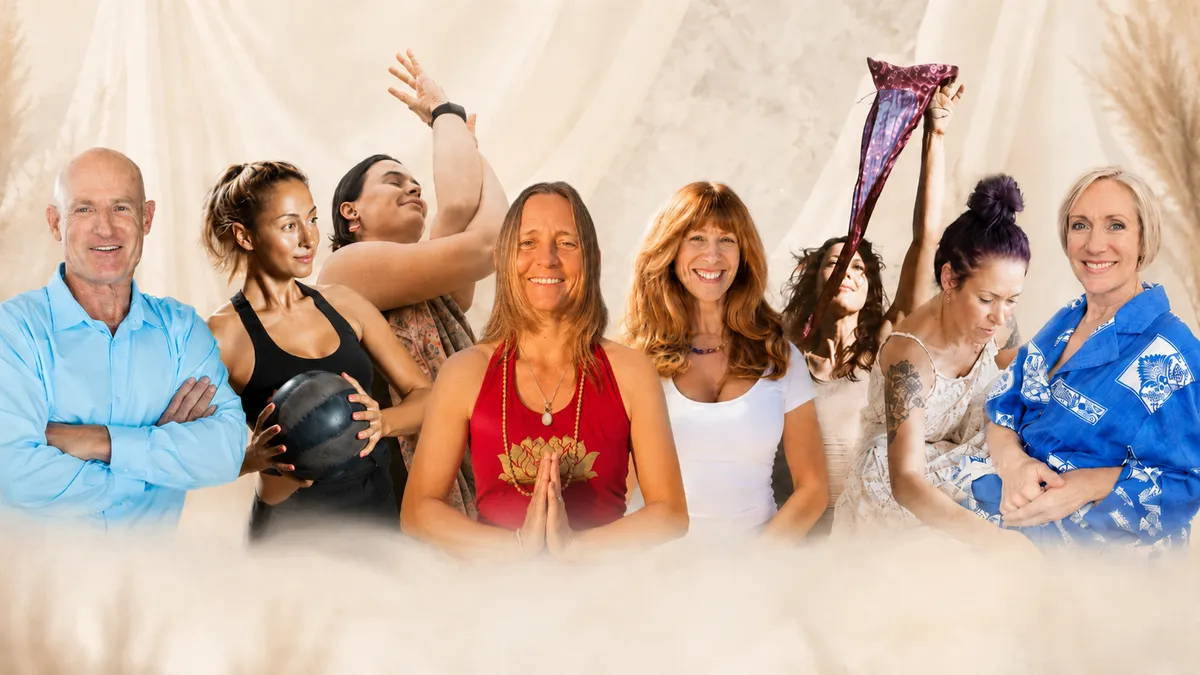
- Dr Malcolm McKay — Doctor of Acupuncture, registered with the Chinese Medicine Board of Australia (AHPRA), over 30 years in clinical practice
- Amanda Ross — Naturopath, family health across the lifespan
- Alicia Grace — Trauma-Informed Yoga Teacher
- Kate Doedee — Hatha & Yin Yoga Teacher
- Monique Carole — Pilates & Body Balance
- Rebecca Lindsay — Embodied Movement & Dance
- Pearl Blinco-Doffiny — Crystal Sound Bowls
- Katie Verkerk — Function & Flow Wellness (functional fitness)
Each runs their own service and booking, so think of Health Hub as one destination for a whole team of practitioners, rather than a single practice with one reception desk.
A note on evidence — it varies by discipline, and that’s worth saying plainly
Not every practice here sits at the same evidence tier, and we’d rather say that outright than blur it. Acupuncture is delivered by an AHPRA-registered practitioner working within recognised clinical governance standards, and areas like Yoga, Pilates and structured exercise have a reasonably solid research base behind specific benefits. Other practices here — embodied movement, sound healing — are better understood as experiential, general wellbeing practices without a significant clinical trial base, and we’re upfront about that on each practitioner’s own page rather than implying otherwise here.
Who is holistic health care suitable for?
There’s no single answer — it depends on what you’re looking for. Some people want ongoing support for a specific concern from a registered practitioner. Others simply want more movement, more calm, or a class that suits their stage of life. Holistic health care isn’t a replacement for your GP or specialist — it sits alongside that care, covering ground a standard medical appointment doesn’t always reach.
What to expect on your first visit
Because each practitioner runs their own service, “first visit” looks different depending on who you’re seeing. A private consultation — with the acupuncturist or naturopath, say — usually starts with a conversation about your history and goals before anything else happens. A class is typically more informal: arrive a little early, wear comfortable clothing, and let the instructor know it’s your first time.
Either way, no referral is needed, and you’re welcome to try more than one practitioner to see what actually suits you.
When it’s worth seeing your GP first
Holistic and complementary care works best alongside your existing medical care, not instead of it. If something feels urgent, or you need a diagnosis, your GP or an emergency service should be your first call.
A place to start
If you’re not sure where to begin, have a look through our practitioners and start with whoever matches what you’re actually looking for.
Important note. This article is general information only and isn’t intended to diagnose, treat, cure or prevent any condition. Individual practitioners’ services and evidence base vary — see each practitioner’s page for specifics. If you have a health concern, please consult your GP.