
Yin Yoga vs Hatha Yoga: What's the Difference?
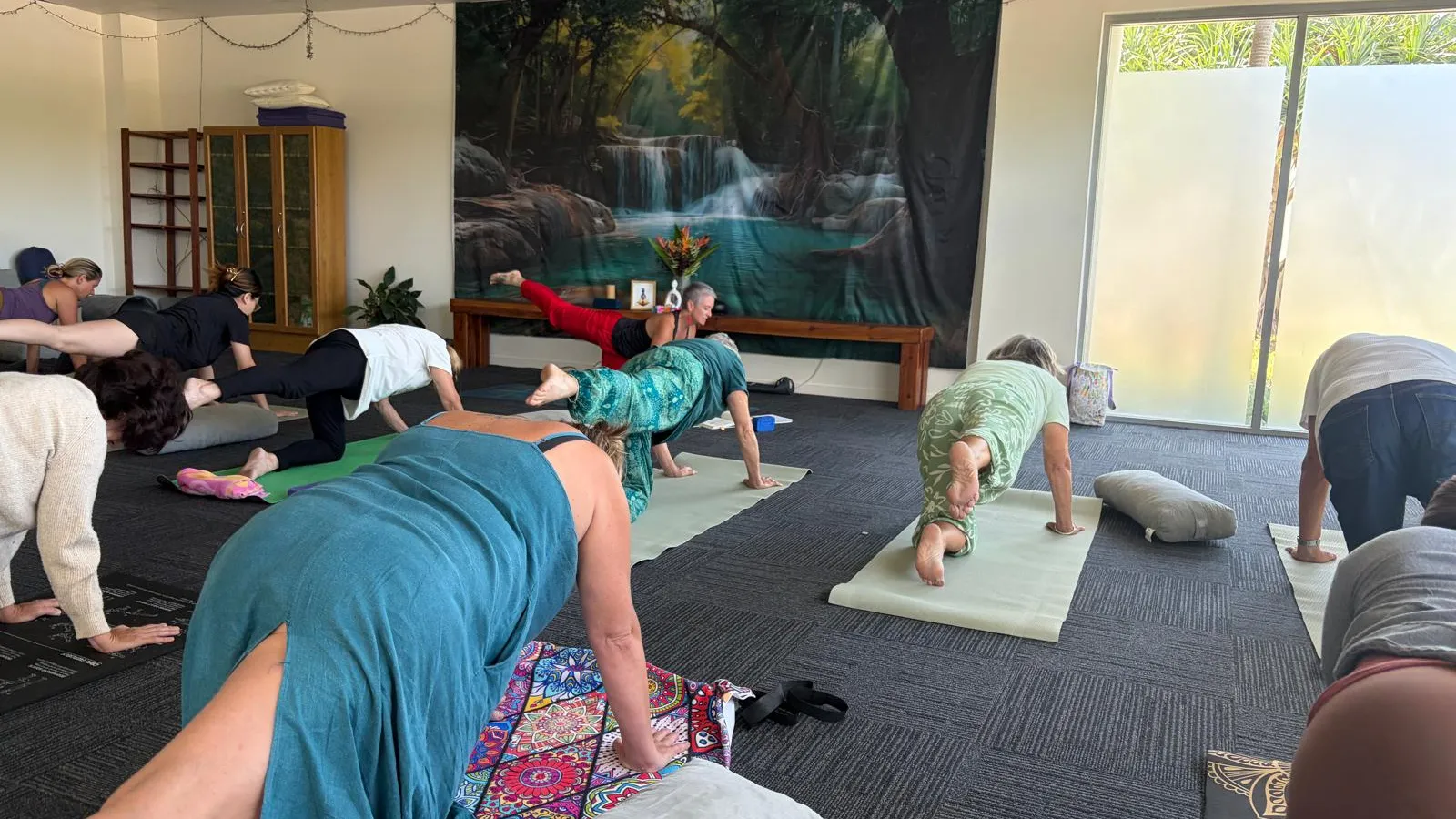
If you’ve seen both styles on a timetable and wondered what actually separates them, here’s a plain comparison from someone who teaches both.
I teach both Yin and Hatha yoga, and I get asked the difference often enough that it’s worth writing down properly.
Yin yoga
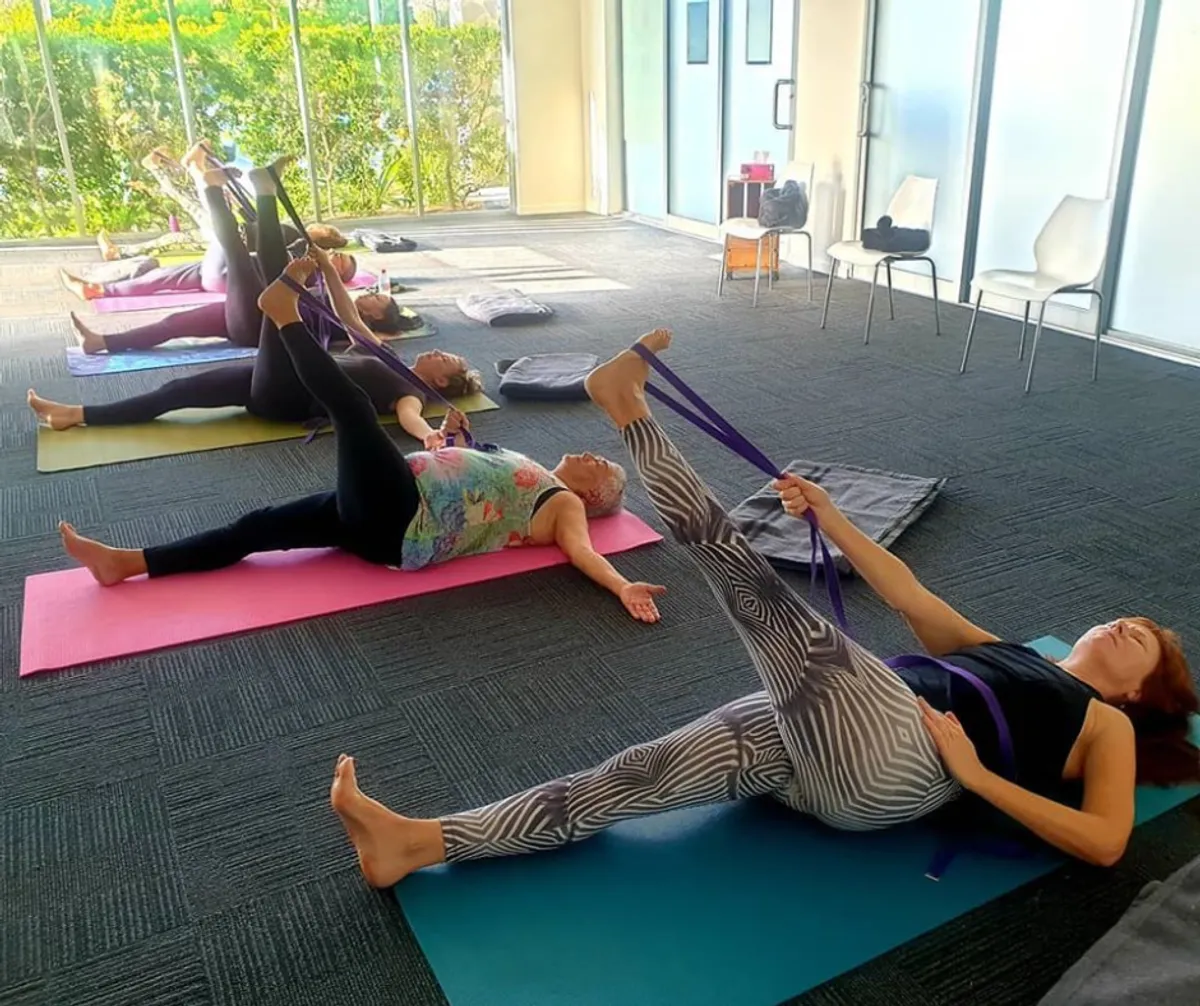
Yin is slow and still. Poses are held for several minutes at a time, working into connective tissue rather than muscle, with the aim of encouraging deep relaxation. It’s quieter and more meditative than most people picture when they hear “yoga class”.
Hatha yoga
Hatha moves at a gentler pace than more dynamic styles, but with shorter holds and more active engagement of breath and posture throughout. It’s one of the more accessible, foundational styles for people newer to yoga.
Which one should you try first?
Honestly, there’s no wrong answer. If you want to slow right down and unwind, start with Yin. If you want a more active, structured introduction to yoga generally, Hatha is the better starting point.
I’ve been practising for over a decade, and I still move between both depending on what I need that week — there’s no rule that says you have to pick just one. Even after completing my 300-hour advanced training in Rishikesh, the birthplace of yoga, what keeps me coming back is that the practice meets you wherever you are on the day.
What to expect either way
Both classes are guided, and neither requires prior experience. Turn up, let me know if it’s your first time, and I’ll take it from there.
A place to start
If you’re not sure which to try, come to either — I’ll help you work out what suits you as we go.
You’ll find me on the weekly timetable on Monday mornings for Yin-Yang Yoga, and my class times and fees are on my profile.
This article is general information only. Yoga is a general wellbeing practice and isn’t a substitute for medical or mental health treatment.