
What Is Pilates, and What Are the Benefits of Regular Practice?
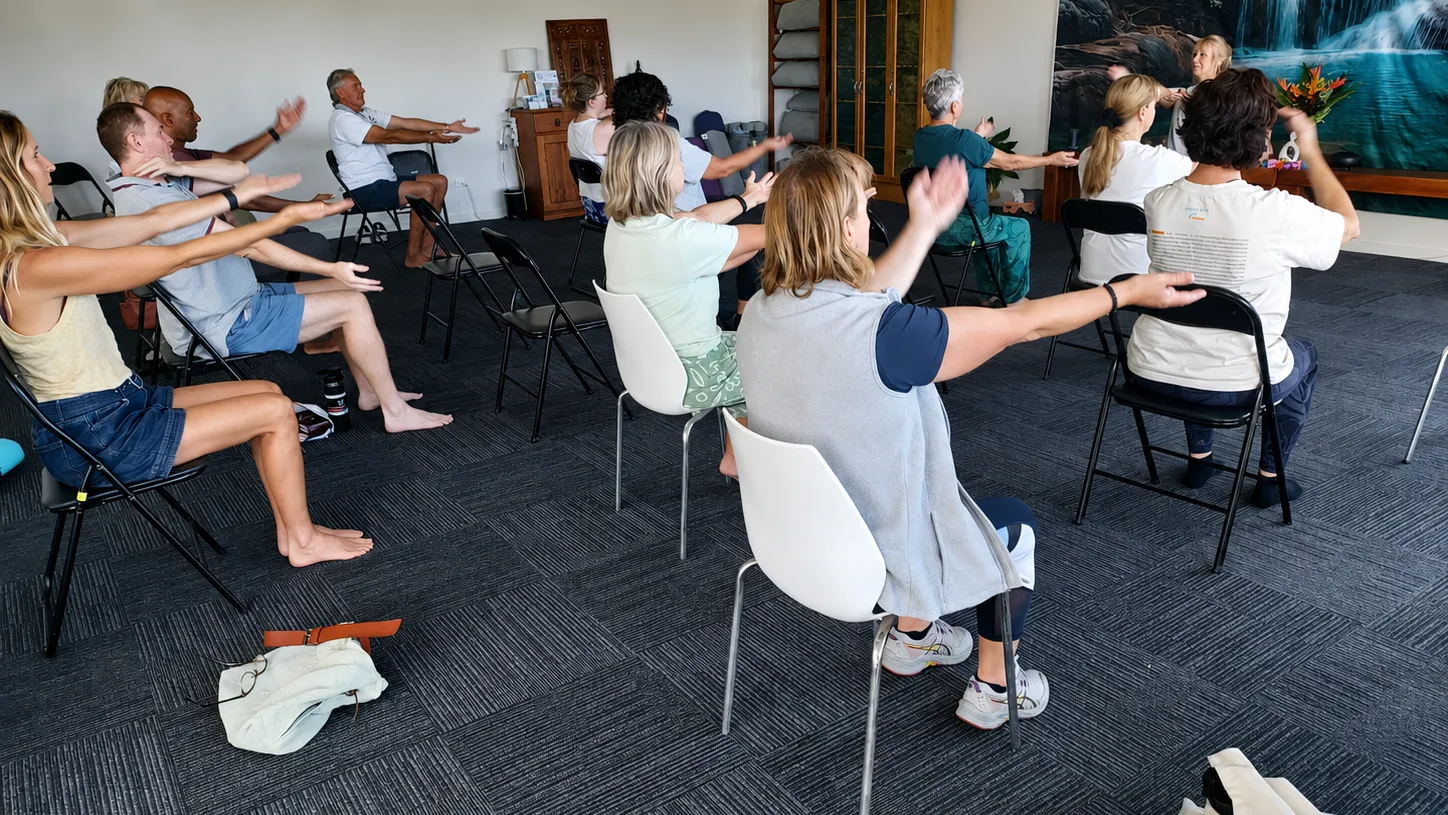
There are so many holistic benefits to the Pilates form of mindful movement, and the world is realising there is more to it than just a fitness craze.
The principles of Pilates are: Concentration, Centering, Breathing, Control, Precision, Flow, Stamina and Coordination — essential for developing control, precision, and balanced muscle development within the whole body.
Designed to safely condition both body and mind to maximise the precision of muscle control, strength and flexibility in a balanced sequence, Pilates focuses on quality of movement rather than quantity.
Pilates works primarily on strengthening your core abdominal muscles (your powerhouse), which supports your posture, helps ease back and structural pain, and is the foundation for the rest of your body to work correctly.
Work smarter, not harder — to sculpt a strong lean body, to strengthen and lengthen, improve stability, flexibility, mobility, balance and posture. Working to restore and re-train the body to optimum skeletal and muscular function, with mind and body connection.
Pilates can have positive transformational effects in all areas of your life, physical and emotional. With a wonderful synergy of controlled mindful movements and breathwork, Pilates creates an inner power that leads to a more positive healthy mindset and mood, and reduced stress or anxiety — which can be the biggest killer of a good night’s sleep and healthy daytime habits.
As a Wellbeing Coach, I have found that Pilates is one of the most useful tools I know that works on the body holistically for building strength and body awareness without high-impact strain.
What Pilates actually is
Pilates is built around controlled, mindful movements, with core engagement utilising the breath to assist with the movements. Rather than training muscles in isolation, it trains the body to move as a coordinated whole, which is part of why it pairs well with other forms of exercise rather than replacing them.
What the evidence says
I’d rather be accurate than oversell this. Pilates has been studied fairly extensively for chronic low back pain specifically. A 2023 systematic review and meta-analysis (19 trials, over 1,100 participants) found Pilates had a positive effect on pain and functional disability in people with chronic low back pain, though the effect on broader quality of life was less clear.1 Other reviews on the same question have found more mixed or inconclusive results, so it’s fair to say the evidence is encouraging but not settled — and Pilates works best as part of a broader, consistent movement practice rather than a stand-alone fix.
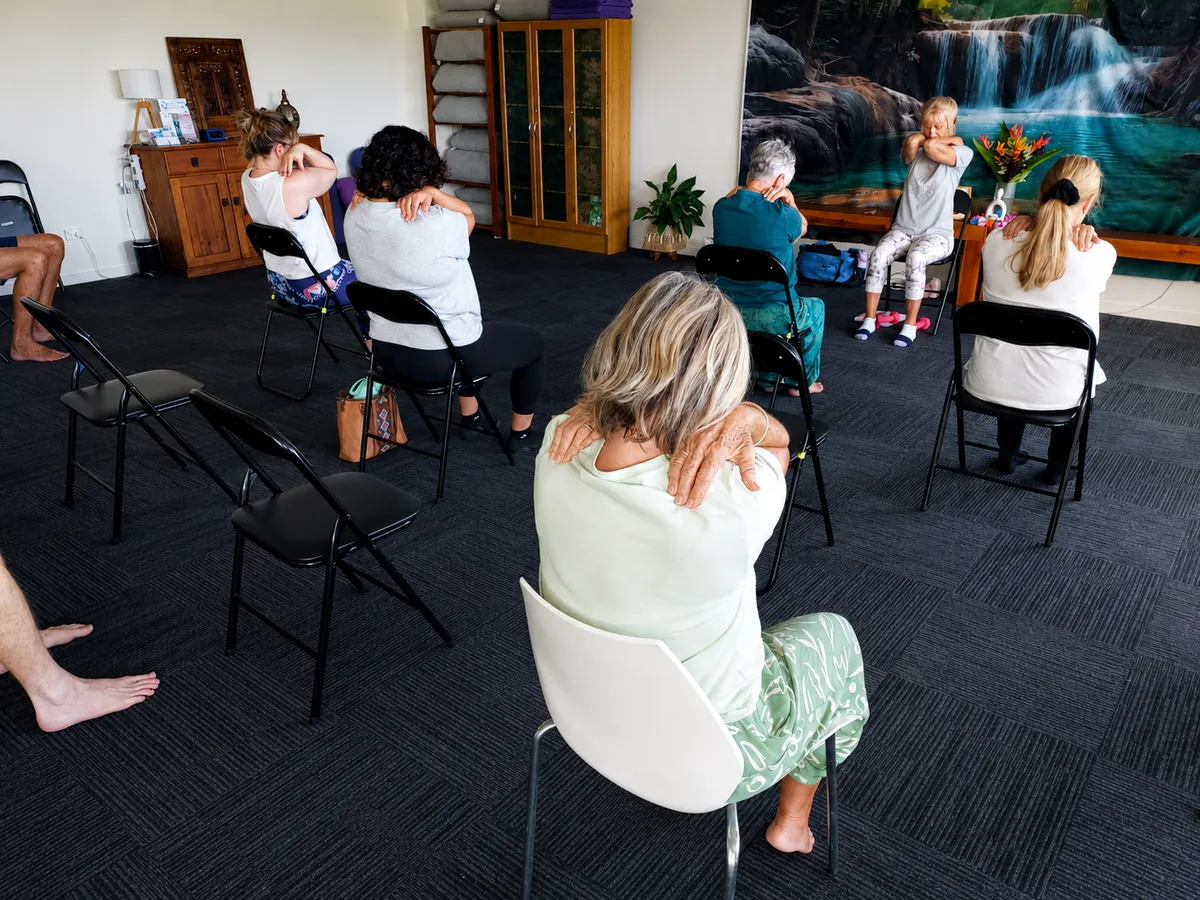
Why combine Pilates and Body Balance?
Body Balance exercises can increase your confidence in your balance, using your major stabilising muscles (core and glutes), sharing the same philosophy of controlled, purposeful movement.
What to expect in your first class
Energising therapeutic workouts can include matwork, chair and balance exercises, using therabands, small balls and weight-based Pilates exercises — designed to strengthen, elongate and restore the body’s balance; creating confidence, a strong core, toned muscles, and the tools to help with weight management for the rest of your life.
Just 30 minutes of Pilates a day can enhance your emotional, physical, psychological and mental capabilities.
Wear comfortable, stretchy clothing that allows for movement. Let me know if it’s your first Pilates class so I can guide you through the basics of form and breathing before building intensity. No prior experience is needed.
When it’s worth checking with a health professional first
If you have an existing injury, a recent surgery, or a specific musculoskeletal concern, it’s worth checking with your GP or physiotherapist before starting a new exercise practice, so your class can be adapted appropriately.
A place to start
If you’re curious, come along to a class — I’ll help you find your feet, literally and otherwise.
Reference
- Yu Z, Yin Y, Wang J, Zhang X, Cai H, Peng F. Efficacy of Pilates on Pain, Functional Disorders and Quality of Life in Patients with Chronic Low Back Pain: A Systematic Review and Meta-Analysis. Int J Environ Res Public Health, 2023; 20(4): 2850.
Important note. This article is general information only and isn’t intended to diagnose, treat, cure or prevent any condition. If you have an existing injury or health concern, please consult your GP or physiotherapist before starting a new exercise practice.