
What Is Embodied Movement, and How Is It Different from a Regular Fitness Class?
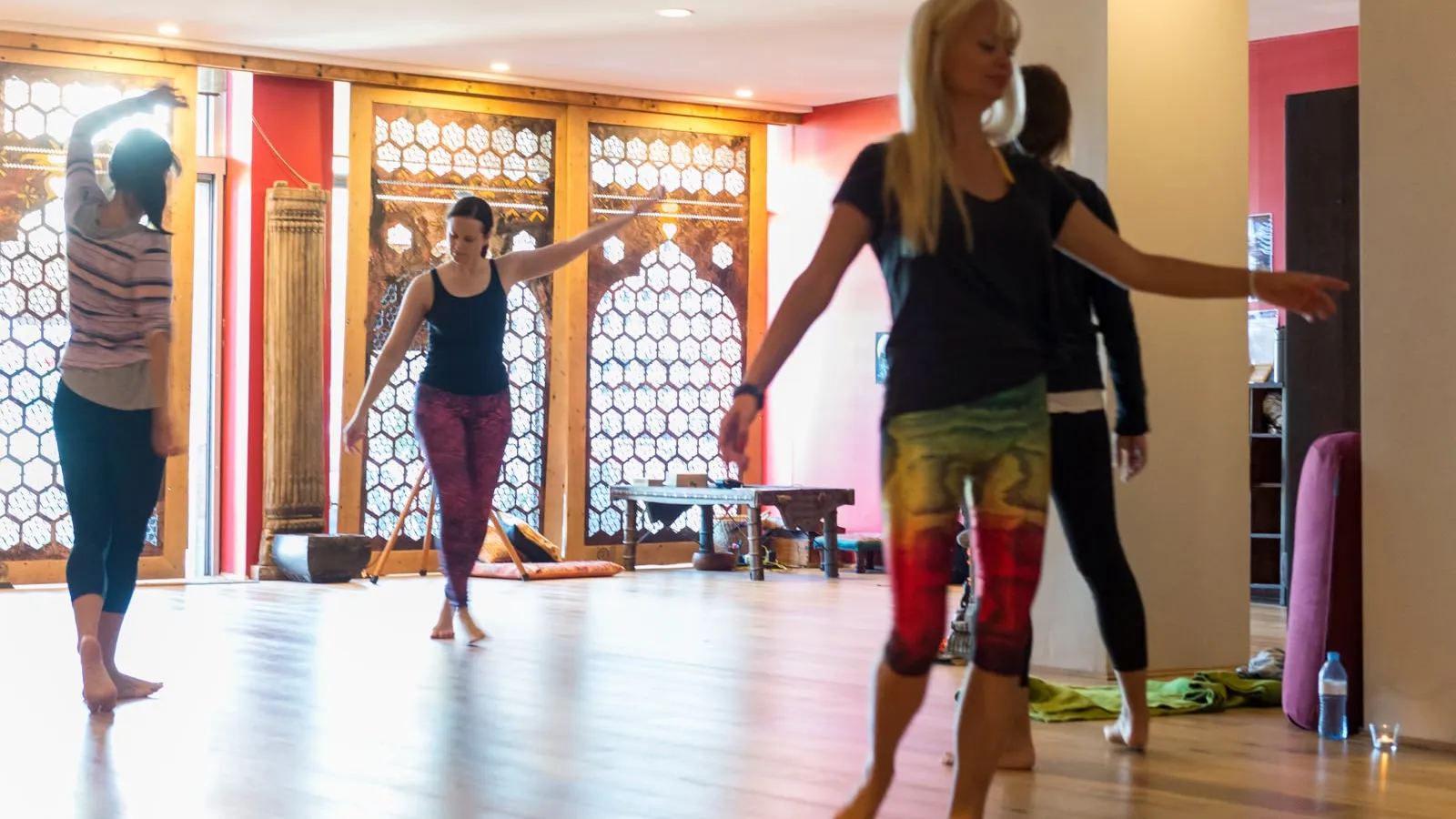
If the name sounds a bit abstract, that’s fair. We often think about movement as something we do to or with our bodies — exercise, stretching, strengthening, burning calories or improving our fitness.
But what if movement could also be a way of connecting with our bodies?
This is the heart of Embodied Movement. It’s about shifting from thinking about the body to actually feeling it.
Embodied Movement is an invitation to slow down, tune in and become more aware of what is happening within your body. Rather than focusing on how your body looks or how many repetitions you can complete, the focus is on how movement feels. It’s about moving from the inside out.
Here’s what actually happens, in plain terms.
What embodied movement actually is
Rather than following a set sequence of steps or working toward a fitness outcome, embodied movement uses guided movement, breath and music to access a more instinctive kind of body awareness.
You might be guided to notice your breath, soften into a movement, explore the way your spine wants to move, release tension through the body or simply follow an impulse without needing to make it look a certain way.
These classes offer an opportunity to become more present in your body and explore movement in a way that feels authentic to you.
I bring a background spanning yoga, dance, music and body-oriented work to this, alongside training as a Feminine Embodiment Coach and Psychotherapist.
How it’s different from a dance or fitness class
A typical class is usually built around choreography, technique or a fitness outcome — learning steps, building strength, hitting a target. Embodied movement isn’t structured that way. It’s process-focused: less about arriving somewhere, more about noticing what’s actually happening in your body as you move.
What the evidence says
I want to be upfront: embodied movement as I teach it isn’t a clinical practice with a body of controlled trials behind it, and I won’t pretend otherwise. It sits in the same general territory as other mindful movement-based wellbeing practices, where the evidence base is still developing.
There is research suggesting that movement and dance more broadly can support mood and ease symptoms of depression and anxiety. But I’d rather you knew that isn’t the same as evidence for the classes I run — those are a general wellbeing practice, not a researched clinical one.
Is this a form of therapy?
No. While my own background includes training as a psychotherapist, the embodied movement classes I run at Health Hub are a general wellbeing practice, not a clinical or therapeutic service. If you’re looking for psychotherapy specifically, that’s a separate, dedicated service and conversation.
What to expect in a class
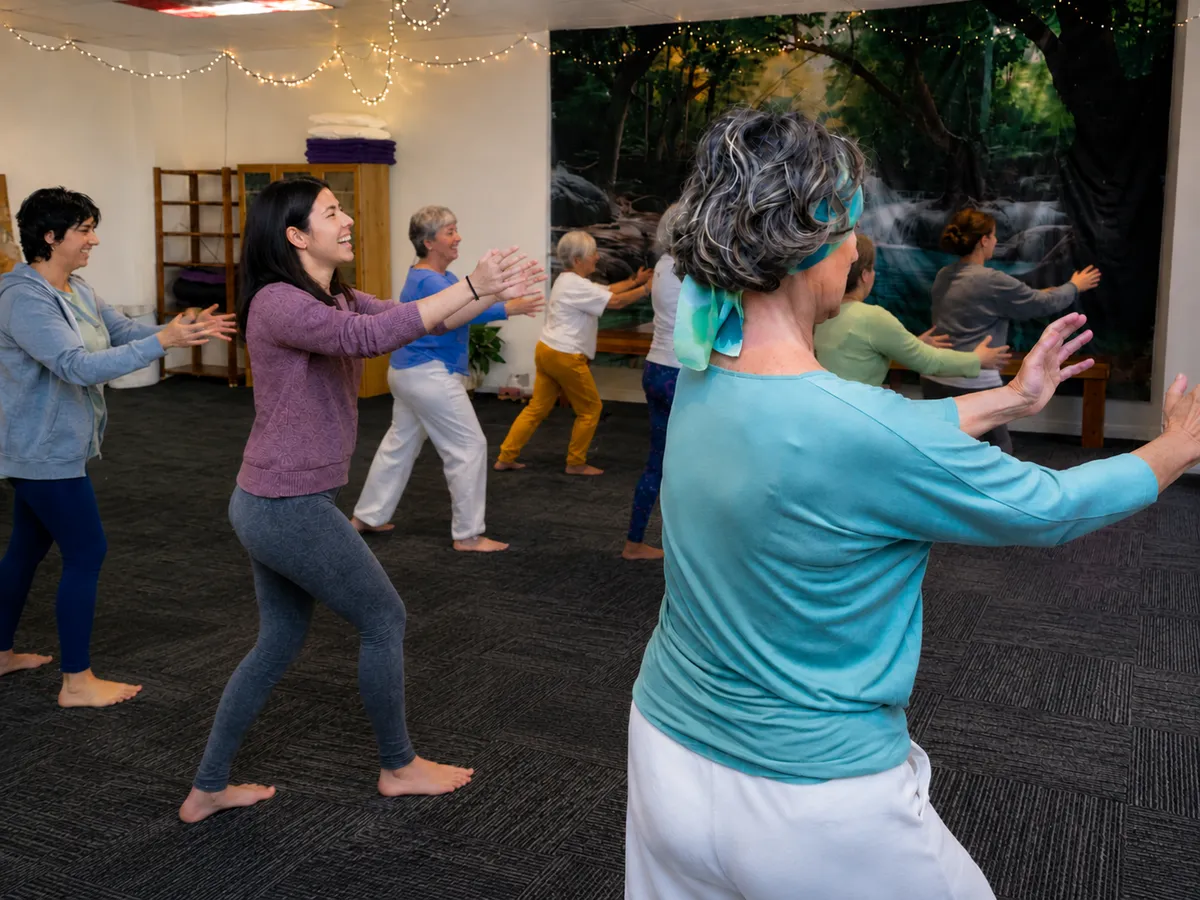
Expect an invitation to slow down, tune into your body and discover movement in your own way.
We begin by creating a little space between the busyness of everyday life and the time you have given yourself. You might begin standing, sitting or lying down, noticing your breath and becoming aware of how your body feels in that moment.
From there, we begin to gently explore movement. You may be guided to notice different parts of your body. You might explore stretching, swaying, flowing, shaking, spiralling or simply following a small impulse to move. The focus isn’t on how the movement looks. It’s on how it feels.
Music is an important part of the experience. Different music can evoke different qualities of movement — softness, strength, playfulness, sensuality, freedom, grounding or expansion. Rather than following choreography, you’ll be invited to let the music influence how you naturally want to move.
Sometimes the movement is gentle and slow. Sometimes it becomes bigger, freer and more expressive. And sometimes the most powerful movement might be simply being still.
You’ll be offered invitations rather than instructions you have to follow. You can take what feels right for you and leave what doesn’t. There is no comparison and no expectation to perform. You might close your eyes if that feels comfortable, or keep them open. You might move energetically or barely move at all.
Your body, your pace, your experience. Comfortable clothing you can move freely in is all you need. No dance or movement experience required.
A place to start
If this sounds like something you’re curious about, come along — there’s no right way to do it, which is rather the point.
Important note. This article is general information only. Embodied movement classes are a general wellbeing practice and are not a substitute for psychotherapy or medical treatment.