
What Is Sound Healing with Crystal Bowls, and What Can You Expect?
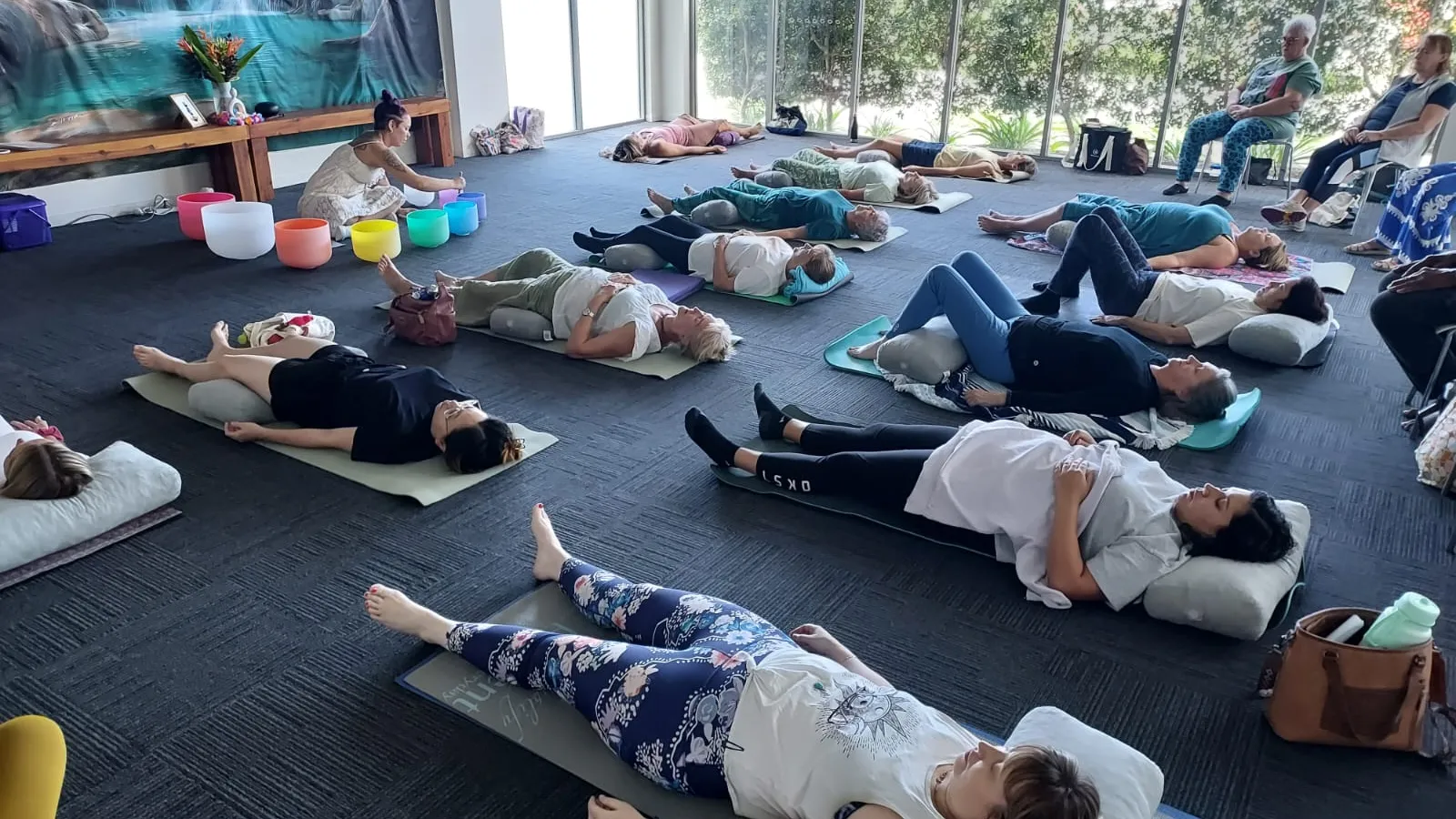
A sound bowl session isn’t something you do — it’s something you experience. Here’s what that actually looks like.
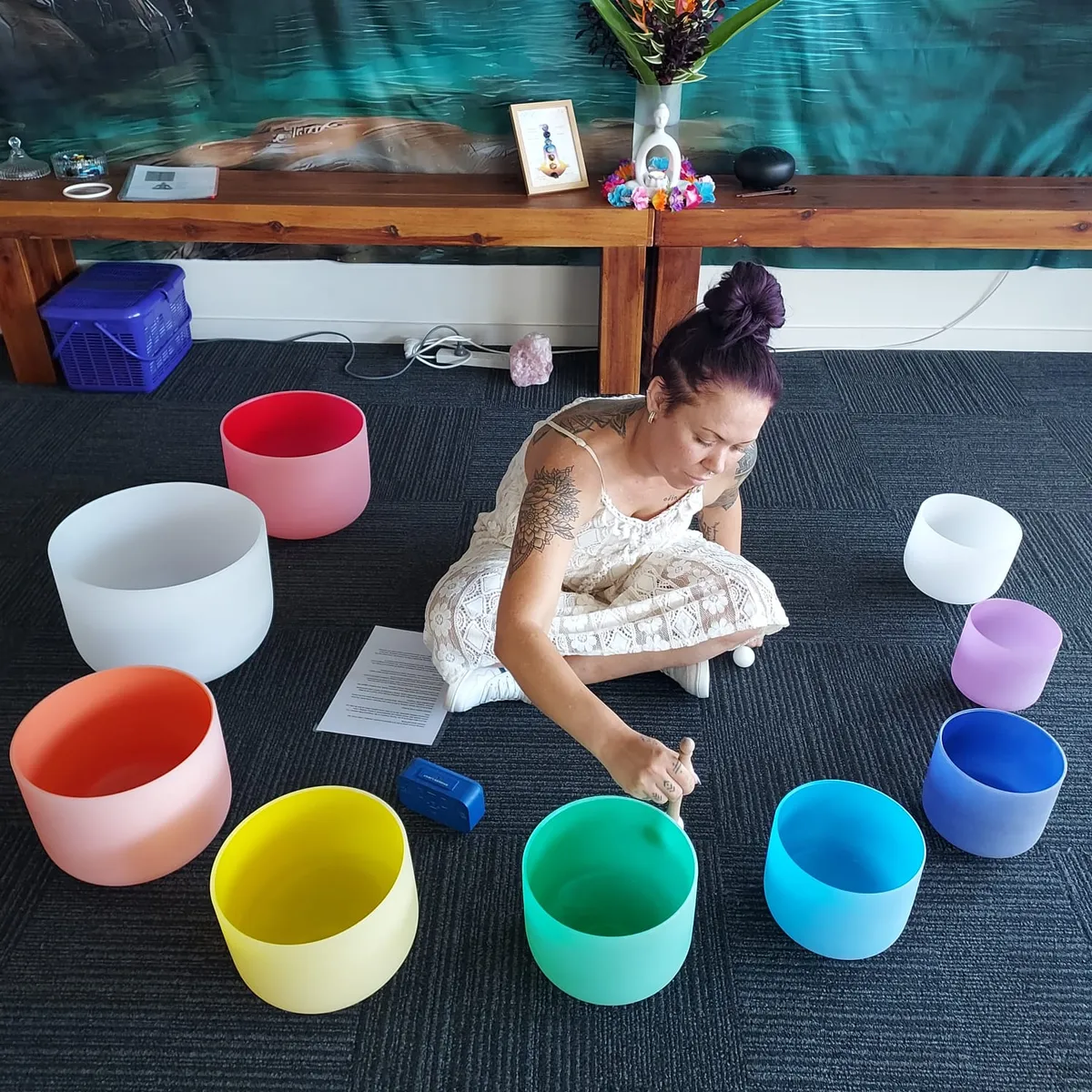
I love the way crystal singing bowls help me slow down, soften and reconnect — and I enjoy even more sharing that with others. If you’ve never been to a session, here’s what it actually involves.
What a session involves
Sessions are group-based and low-key. You find a comfortable position, and I play a sequence of crystal bowls through the session. There’s no physical activity, no experience needed, and nothing to prepare beyond arriving with an open mind.
What you might feel
The vibrations help quiet the mind, ease tension and create a sense of grounding and lightness — though this is a personal, subjective experience, and it varies from person to person. Some people feel deeply relaxed; others simply enjoy a quiet hour away from daily noise.
What the evidence says
I’d rather be honest about this than oversell it. Sound healing research is still a small and developing field. A handful of small studies have found reduced tension and improved mood after singing bowl sessions, and this is genuinely promising. But these are small, early-stage studies, not large-scale clinical trials, and sound healing shouldn’t be considered a proven medical treatment or a substitute for professional care.
Who is it suitable for?
Sessions are a general relaxation practice, open to anyone curious to try something different. If you’re managing a diagnosed health condition, please continue with your regular medical or mental health care — a sound bath is a nice addition to that, not a replacement for it.
What to bring
Comfortable, loose clothing and anything that helps you settle — a blanket or cushion if you like. Check with me directly on what’s provided.
A place to start
If you’re curious, come along to a session — there’s genuinely nothing to prepare beyond showing up.
Important note. This article is general information only. Sound healing is a relaxation-focused wellbeing practice, not a proven medical treatment, and shouldn’t replace professional care for any health condition.