
What Happens at Your First Acupuncture Appointment
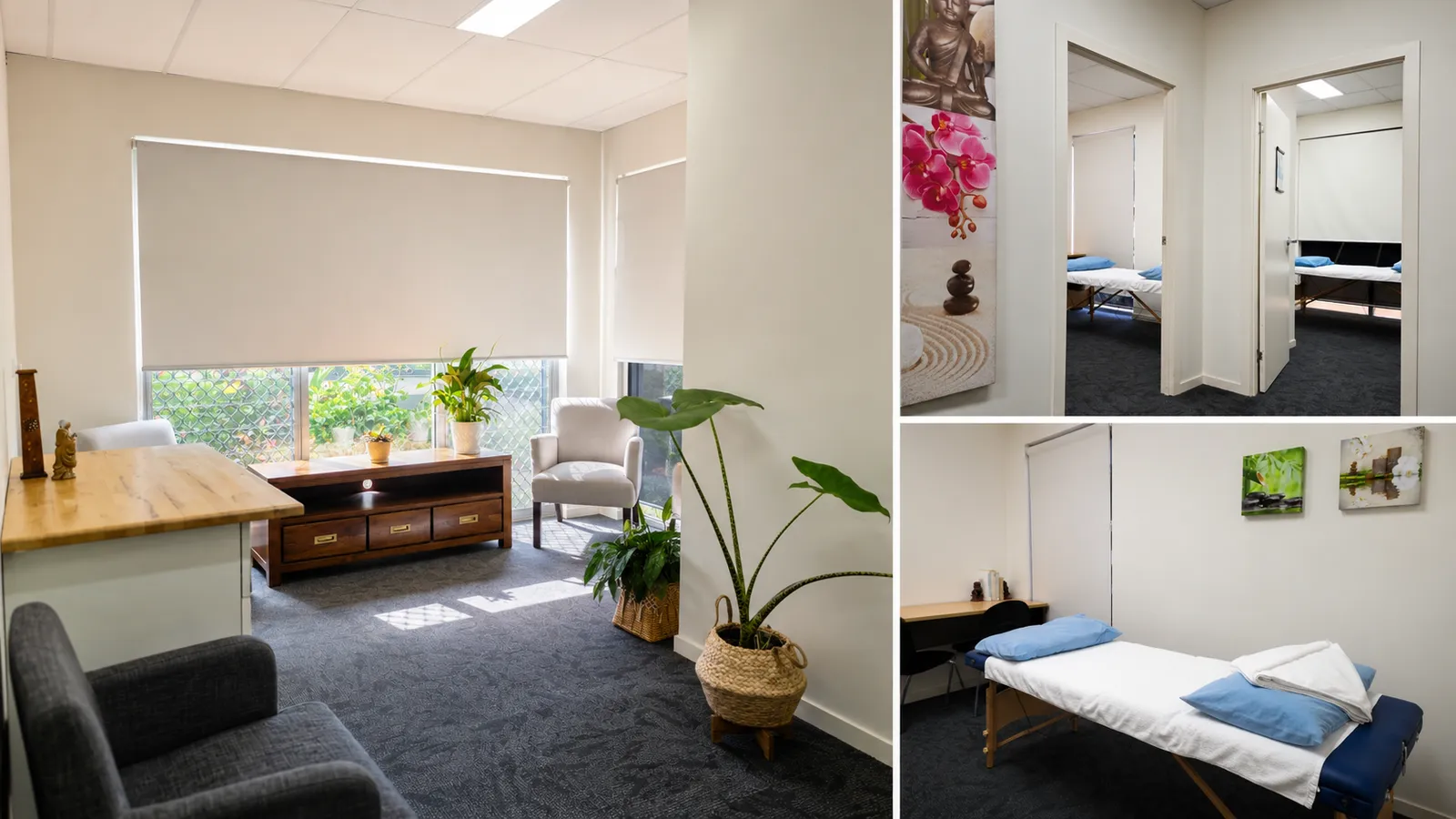
If you’ve never had acupuncture before, the not-knowing is often the hardest part. Here’s exactly what happens, step by step, and an honest look at what the evidence does and doesn’t say.
People come to see me for all sorts of reasons — pain that hasn’t settled, digestion that’s been off for months, energy that’s harder to find than it used to be. Almost everyone asks some version of the same question before they book: what actually happens?
So here’s a straightforward answer, based on how I run every first consultation.
Before you arrive
You don’t need a referral. I see patients at Pottsville Acupuncture, right next to the Health Hub, so that’s where your appointment will actually take place. Plan for around an hour and 15 minutes for an initial consultation — longer than a typical GP visit, because it includes a full assessment as well as treatment. Loose, comfortable clothing makes it easier to access common treatment areas like the arms, legs and back.
What happens during the consultation
I’ll start by asking about your history and what’s brought you in — not just the main complaint, but sleep, digestion, stress and general energy too, since Chinese medicine looks at the whole picture rather than one symptom in isolation.
From there I read your pulse and look at your tongue, both of which tell me a good deal about where the body is under strain. I’ll talk you through what I’m seeing and what I’d suggest before any treatment begins — needle or needle-less acupuncture, cupping, moxibustion, electroacupuncture, or techniques like Gua sha or Tui na, depending on what’s appropriate for you.
Does it hurt?
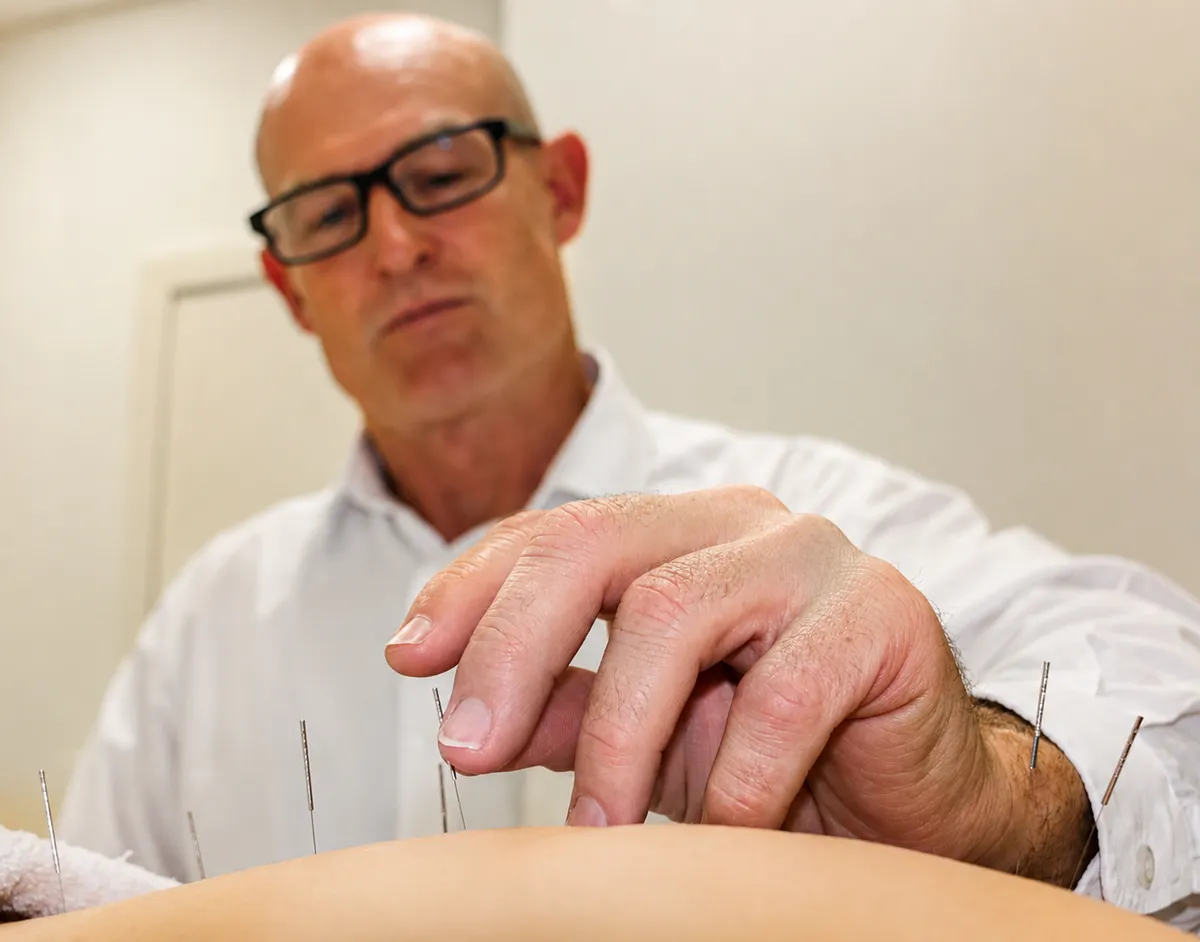
Honestly, it varies. The needles I use are much finer than the ones people picture from a blood test, and most people feel a small tap at most, followed by a heavy, settled feeling rather than pain. If needles specifically worry you, tell me at the start — needle-less options exist, and it’s easy to factor that in.
What the research suggests
I’d rather be straight with you than oversell it. The strongest evidence for acupuncture sits with chronic pain: a large analysis pooling data from thousands of patients found acupuncture was associated with modest but genuine improvements in chronic pain compared with usual care.1 For other things people come to see me for — digestion, mood, general energy — the evidence is more mixed and still developing in the west. In China, evidence from peer-reviewed sources is more abundant. I employ acupuncture as one supportive part of your overall care, alongside your GP, not a replacement for it.
How many sessions will you need?
There’s no standard number that applies to everyone. After your first consultation, I’ll usually suggest a plan based on what’s actually going on for you, and we’ll adjust as we go rather than committing you to a fixed course upfront.
When it’s worth seeking support elsewhere first
Acupuncture has a genuinely wide scope, but it isn’t the right first stop for everything. If you’re dealing with sudden or severe pain, unexplained symptoms, or anything that feels urgent, your GP or an emergency service should be your first call — not a booking with me. I’m always glad to work alongside your GP once anything urgent has been ruled out.
A place to start
If you’re curious but still on the fence, that’s a completely normal place to be before a first visit. Book an initial consultation and we’ll talk through what’s going on before anything else happens.
Reference
- Vickers AJ, Vertosick EA, Lewith G, et al. Acupuncture for chronic pain: update of an individual patient data meta-analysis. The Journal of Pain, 2018; 19(5): 455–474.
Important note. This article is general information only and isn’t intended to diagnose, treat, cure or prevent any condition. If you’re experiencing symptoms that concern you, please consult your GP, who can help identify what’s going on and the right support for you.